Choosing a WordPress theme isn’t just a design decision — it’s a brand decision.
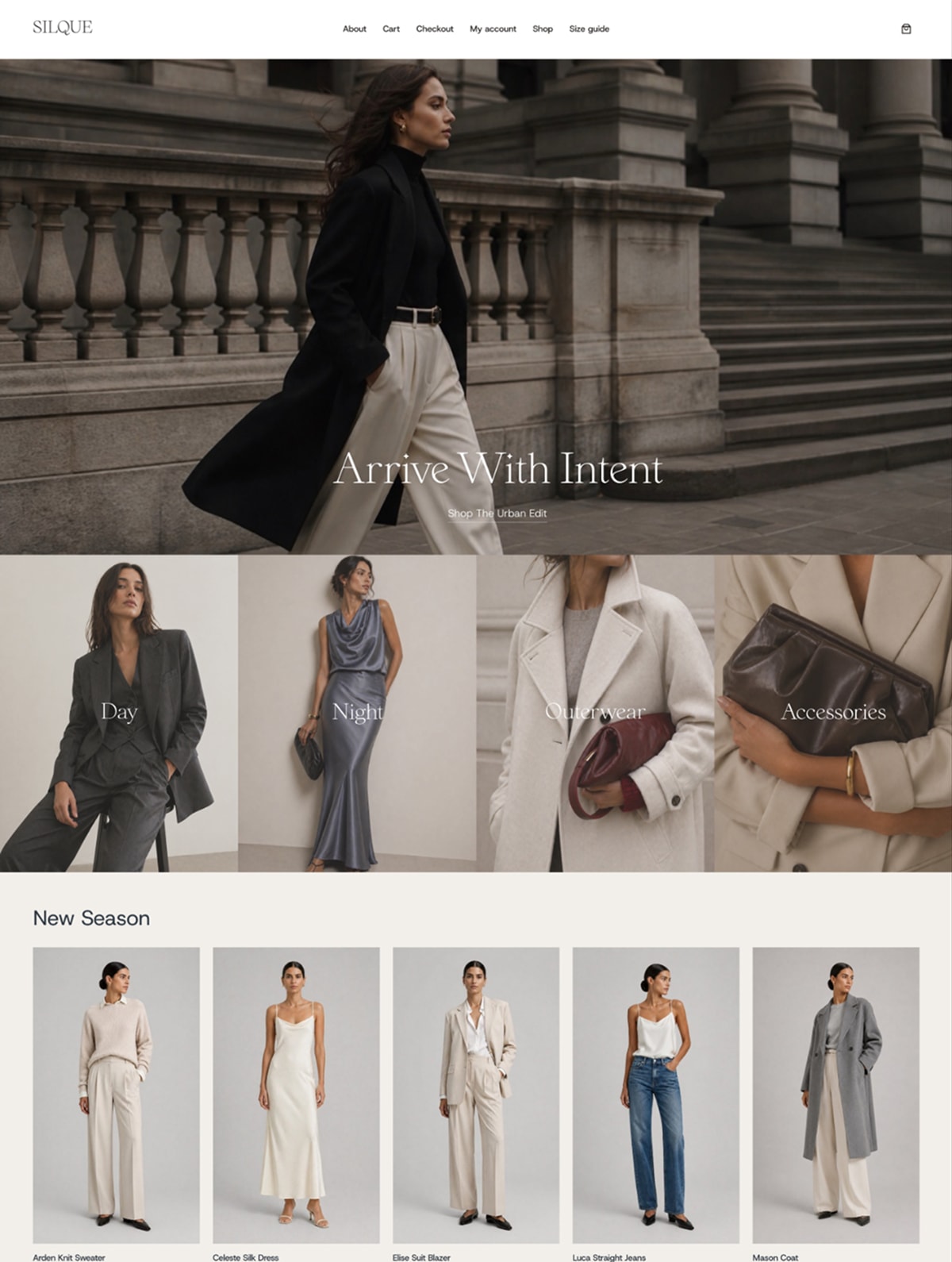
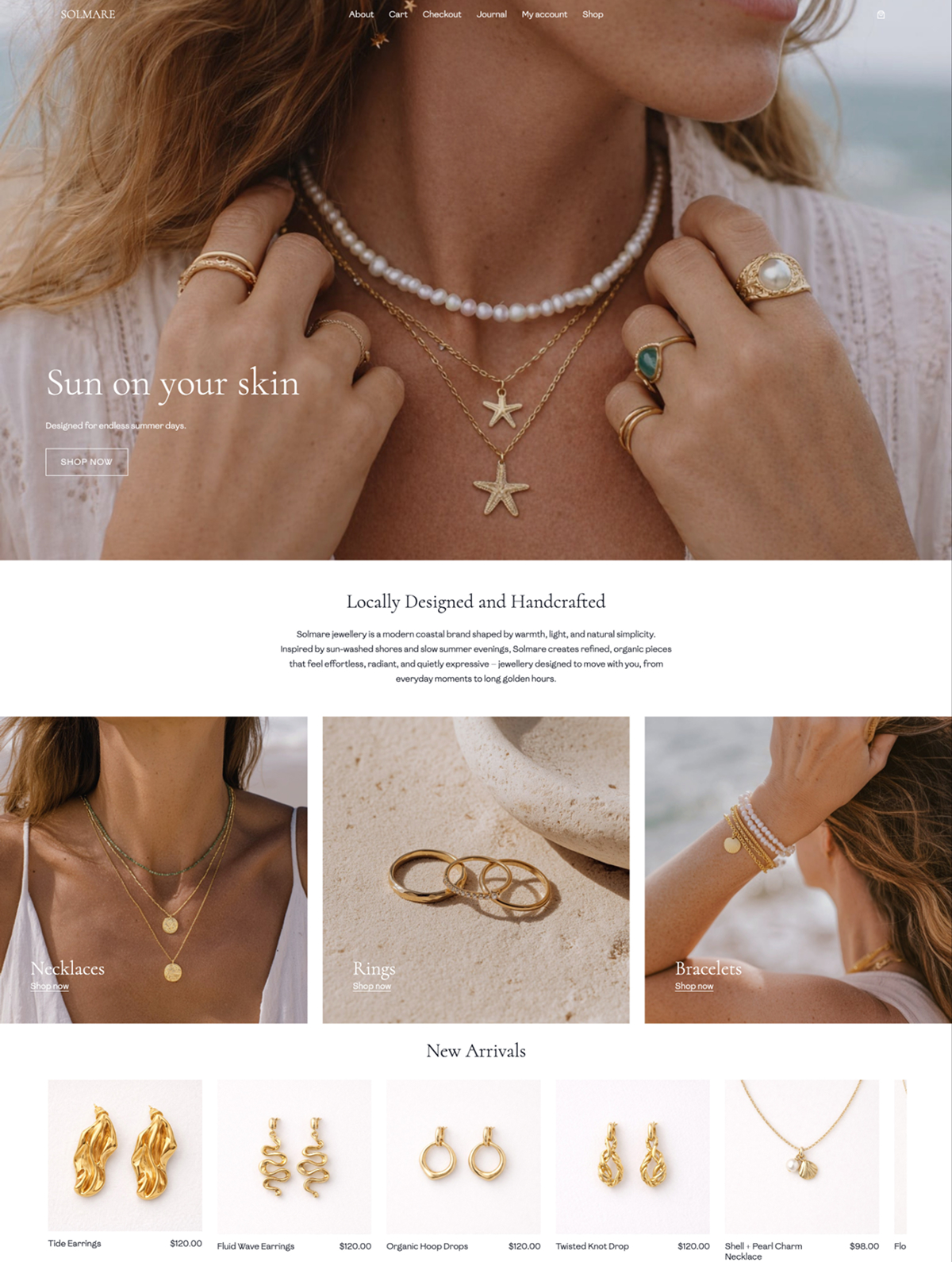
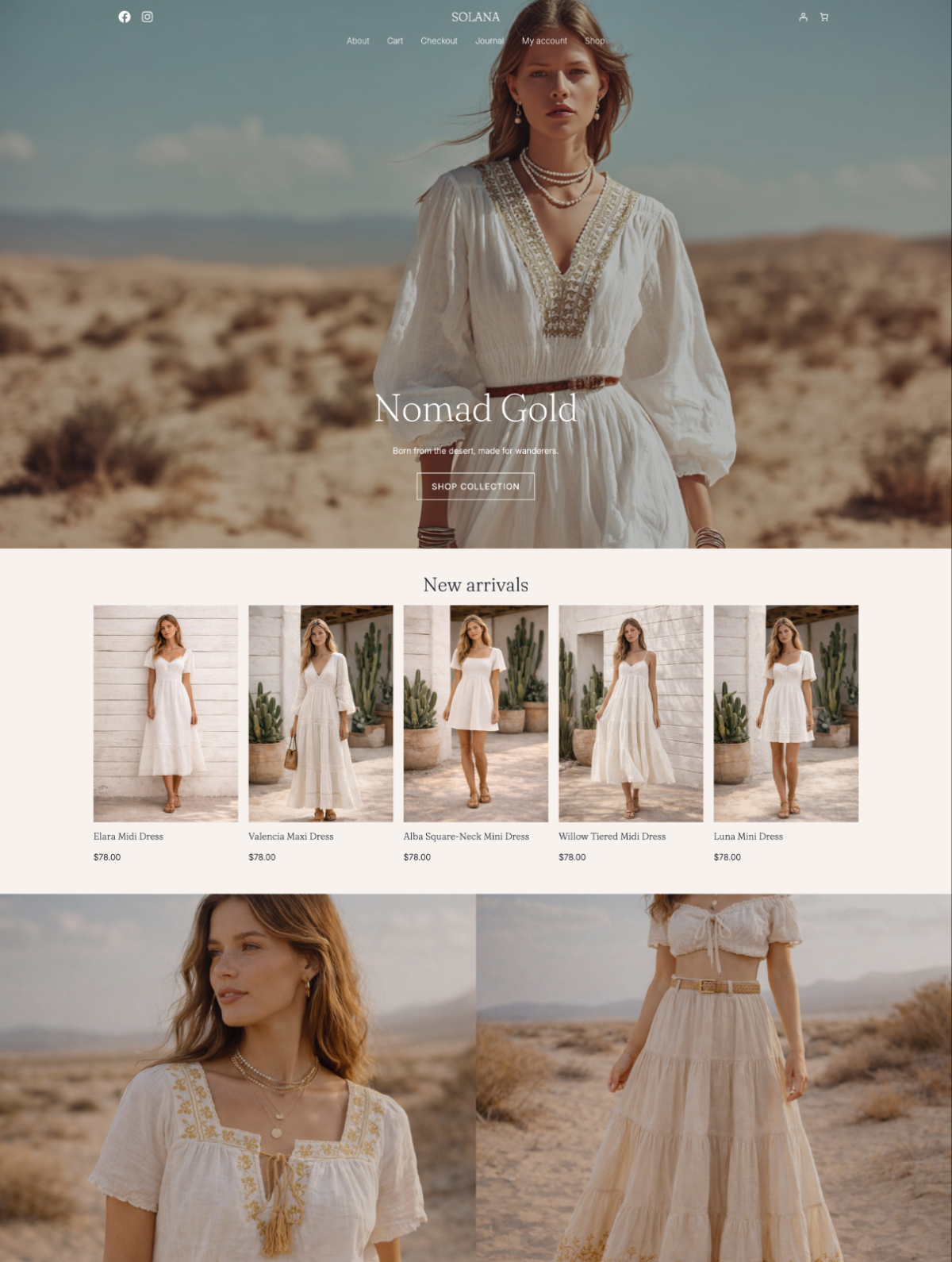
If you’re building a fashion, jewellery, or boutique ecommerce site, your website becomes part of the product experience. The layout, typography, spacing, and overall mood all shape how customers perceive your brand.
Picking a theme sounds simple (and fun!) — until you’ve wasted hours looking through all the options, and installing something that looked great in the demo but is impossible to customize.
There are thousands of WordPress themes available. Some are beautiful but bloated. Others are fast but generic. And many simply aren’t built with boutique brands in mind.
So how do you choose the right one — the kind that fits your brand and doesn’t require 14 plugins to look polished? Here’s what to look for.
The design feels like your brand right out of the box
A common mistake is assuming you’ll just “make the design work” later. While WordPress themes are customizable, forcing an existing design to fit your brand often leads to frustration.
For boutique and fashion brands especially, visual alignment matters more than feature lists.
If the theme’s overall vibe — fonts, layout, spacing, color palette, product grids — doesn’t already feel aligned with your brand, you’re going to spend hours trying to force it into shape. (And you might never quite get there.)
Choose something that feels like a natural fit from the start (or get as close to it as possible). If your products are handmade and artisanal, you don’t want something bold and high-energy. If your brand is fun and colorful, don’t pick a minimalist, beige theme just because it looks “professional.”
You’ll save yourself time, frustration, and probably money by starting closer to the finish line.
My approach is to start with a clean, flexible base theme — and then layer in curated design styles that shift the mood without changing the underlying structure. That way, you’re not rebuilding your site from scratch every time you refine your aesthetic. You’re simply choosing a visual direction that already aligns with your brand.
It matches the type of site you’re building
Before looking at design details, think about structure. Are you building:
- An online boutique with product categories and collections?
- A content-driven brand with a strong blog?
- A hybrid store + editorial site?
- A service-based brand with a shop attached?
Not all themes support all formats equally.
If you’re running an online boutique, pay close attention to how products and collections are displayed. A strong product grid, clear category navigation, and well-designed product pages matter more than homepage animations.
Look at the demo carefully:
- Does the homepage highlight featured products or new arrivals?
- Are the Shop and Product pages styled thoughtfully — or just functional?
- What do the cart and checkout experiences look like?
It’s much easier to start with a theme that already supports your content structure than to force a blog-focused theme into working as a store.
It doesn’t try to do everything
Some themes look amazing in the demo — but once you install them, you realize they come packed with built-in sliders, popups, testimonials, page builders, custom panels, animation libraries, and more. And let’s face it, you probably won’t use half of it.
It can seem convenient at first, but in practice, that kind of all-in-one approach usually causes more problems than it solves.
- It creates a steep learning curve.
- It slows your site down.
- It increases the risk of plugin conflicts and errors.
- It’s harder to update or switch themes later.
- You end up locked into their way of doing things.
A good theme focuses on layout, typography, and structure (the design). Extra functionality (forms, popups, email tools, analytics) should be handled by well-supported plugins you can change later.
Look for themes that use standard WordPress features and integrate cleanly with common plugins, instead of bundling everything into one rigid system.
Less complexity usually means more flexibility, and better performance.
It works seamlessly with the block editor (aka Gutenberg)
If you’re using WordPress today, you should be using blocks. The block editor (Gutenberg) is here to stay, and themes built for it give you way more flexibility. You can move things around, edit sections visually, and actually understand what’s happening on the page.
No mystery side panels. No bloated page builders. Just clean blocks and patterns you can edit directly.
Look for themes that are specifically labeled “block themes”, “Gutenberg”, or “FSE” (full-site editing) compatible. It keeps your setup modern, flexible, and easier to maintain long term.
It loads fast on mobile (and looks great too)
Most of your visitors will browse your site on their phone. For e-commerce brands especially, mobile isn’t a secondary consideration, it’s a priority.
Before choosing a theme, preview the demo on your phone. Check:
- Does text feel readable without zooming in?
- Are product grids easy to scroll?
- Is the navigation simple and usable?
- Are buttons large enough to tap comfortably?
Design isn’t just aesthetics — it’s about usability.
Speed matters just as much. Heavy themes packed with scripts, sliders, and effects can slow your site down, which impacts both conversions and search visibility.
A well-built theme should:
- Load fast.
- Use standard WordPress features.
- Avoid unnecessary bloat (most extra functionality can be handled with plugins).
Fast, mobile-friendly sites convert better — especially for boutique and fashion brands where visual browsing is part of the experience.
Frequently Asked Questions
Do I need a premium WordPress theme for a boutique brand?
Not always — but premium themes often provide stronger design refinement, better support, and more polished e-commerce layouts. The key is choosing a theme that aligns with your brand from the start.
⸻
Can I use a blog theme for an online boutique?
You can, but it’s rarely ideal. E-commerce brands need strong product grids, clear category navigation, and well-designed product pages, which typically are not included in blog themes.
⸻
Are WordPress block themes better for e-commerce?
Block themes offer more flexibility and easier visual editing. For boutique brands that care about layout and presentation, this can make managing your store much simpler.
Choosing a WordPress theme might feel like a design decision — but for boutique and fashion brands, it’s actually a strategic business decision.
The right theme should:
- Reflect your aesthetic from day one.
- Support ecommerce clearly.
- Stay lightweight and flexible.
- Give you room to grow.
If you’re building an independent store (especially if you’re moving beyond Etsy or another marketplace) choosing a design that fits your brand will save you time and help you create a cohesive customer experience.
Related posts
If you’re still deciding, you might also find these articles helpful: