“Do I actually need a premium WordPress theme, or is a free one good enough?”
It’s one of the most common questions people ask, usually right after installing WordPress.
The short answer is that both free and premium themes can work well. The difference isn’t about one being “better” vs “worse” choice. It comes down to structure, design polish, and how much time you want to spend adjusting things yourself. Plus, not all premium themes are created equal.
In this guide, I’ll walk through the real trade-offs so you can make a decision that fits your store, your budget, and your long-term goals.
What is a WordPress theme?
A WordPress theme controls the design, layout, and visual structure of your website — how your content looks, not what it says. It determines things like page layouts, typography, colours, and how products, posts and pages are displayed.
Themes don’t add content or functionality on their own, but they shape how your website is presented.
Free vs premium WordPress themes: what’s the real difference?
Free WordPress themes are a good option if you want to start without financial commitment. They let you try different designs with no risk, and some free themes are genuinely high quality and feel very polished.
That said, quality varies widely. When free themes aren’t sourced from reputable places, they can be poorly maintained or even spammy. Even good free themes often come with limitations in design flexibility or layout options. The most reliable ones also tend to be very popular — including default WordPress themes — which means you’ll often see the same designs repeated across many sites.
A free theme is often the right choice when:
- you’re starting your first website,
- you’re validating a product or business idea,
- your store is small and has limited inventory,
- you don’t mind higher learning curve and experimentation.
Premium WordPress themes (like the ones I offer) cost money, but they’re still far more affordable than custom design work. In return, they usually offer better design quality, more considered layouts, and additional options for styling or structure. Many premium themes also include documentation and support, which can make setup and ongoing use smoother.
What you’re often paying for is:
- refined typography, colors, and spacing,
- fewer design decisions to make,
- layouts and templates designed with a specific use case in mind,
- access to support, which can save you hours of troubleshooting.
A good premium WordPress theme isn’t valuable because it has more features. It’s valuable because it reduces friction, and helps you launch faster.
Not all premium WordPress themes are created equal
There’s a huge market for paid WordPress themes out there, with different price points, add-ons, and exclusions.Price alone won’t tell you much about quality.
Some themes focus heavily on flashy demos but fall short in real-world usability. Multipurpose themes that include dozens of demos can look impressive, but they often require more decisions and customization than you expect.
Others bundle lots of extra built-in features. While that can seem convenient, WordPress already has a strong plugin ecosystem. It’s usually better to choose a well-designed theme and add only the tools you actually need.
Before purchasing, check:
- Whether support is included and what is the scope?
- is the theme receiving updates? Are they free or paid?
- Whether it’s built using standard WordPress features or requires extra paid plugins.
A premium theme should make your life easier, not more complicated.
What You Get With My Premium WordPress Themes
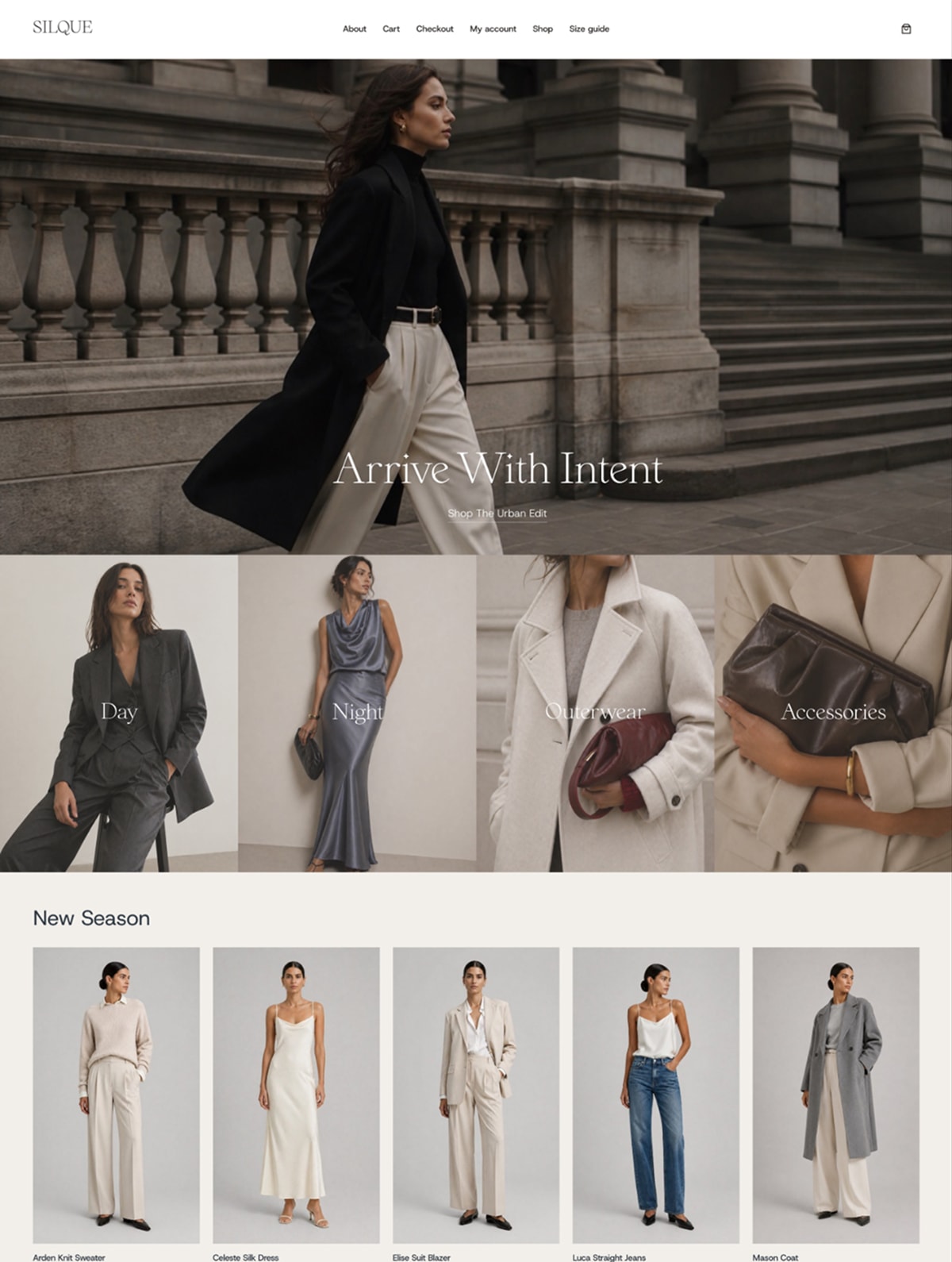
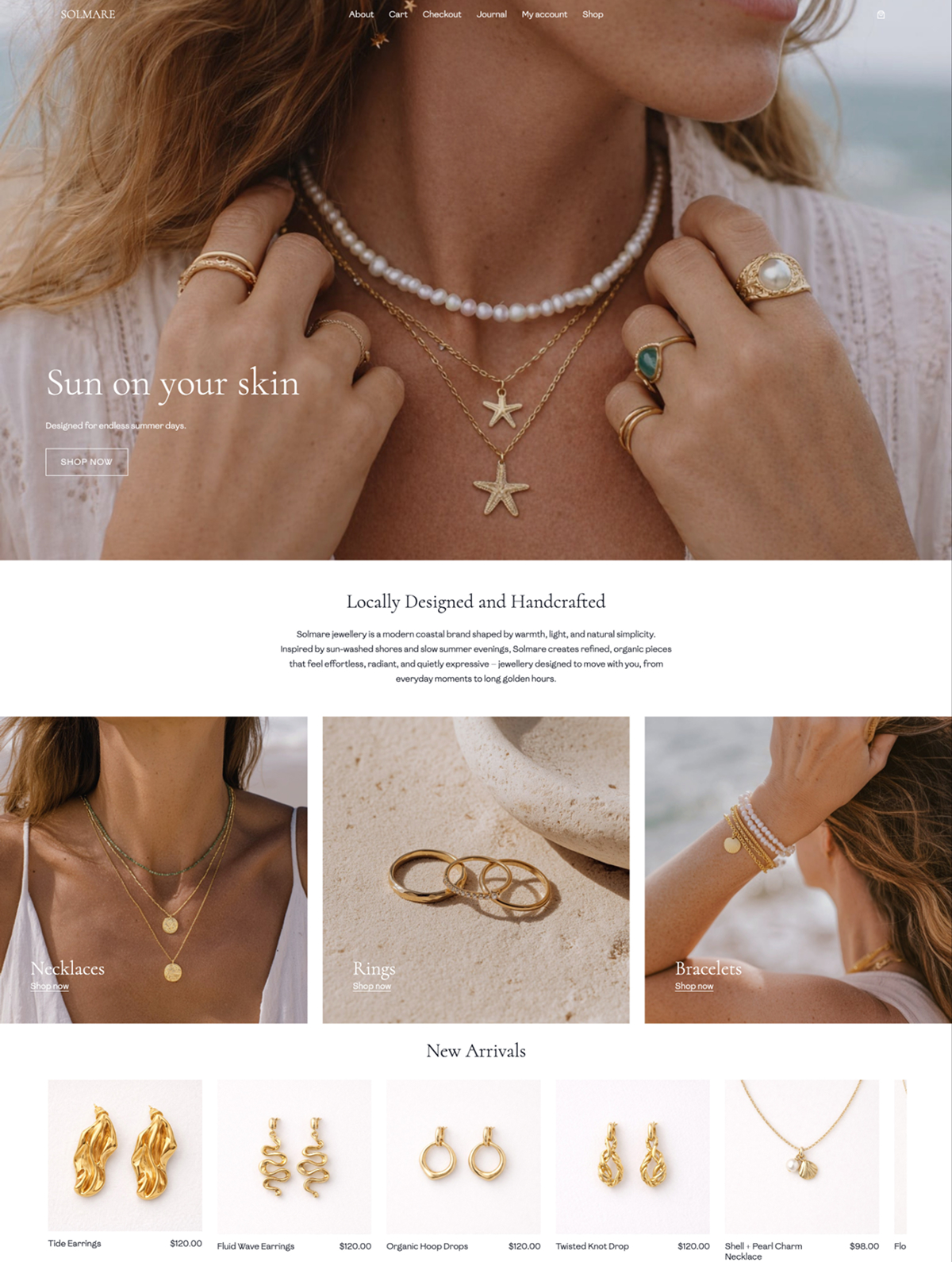
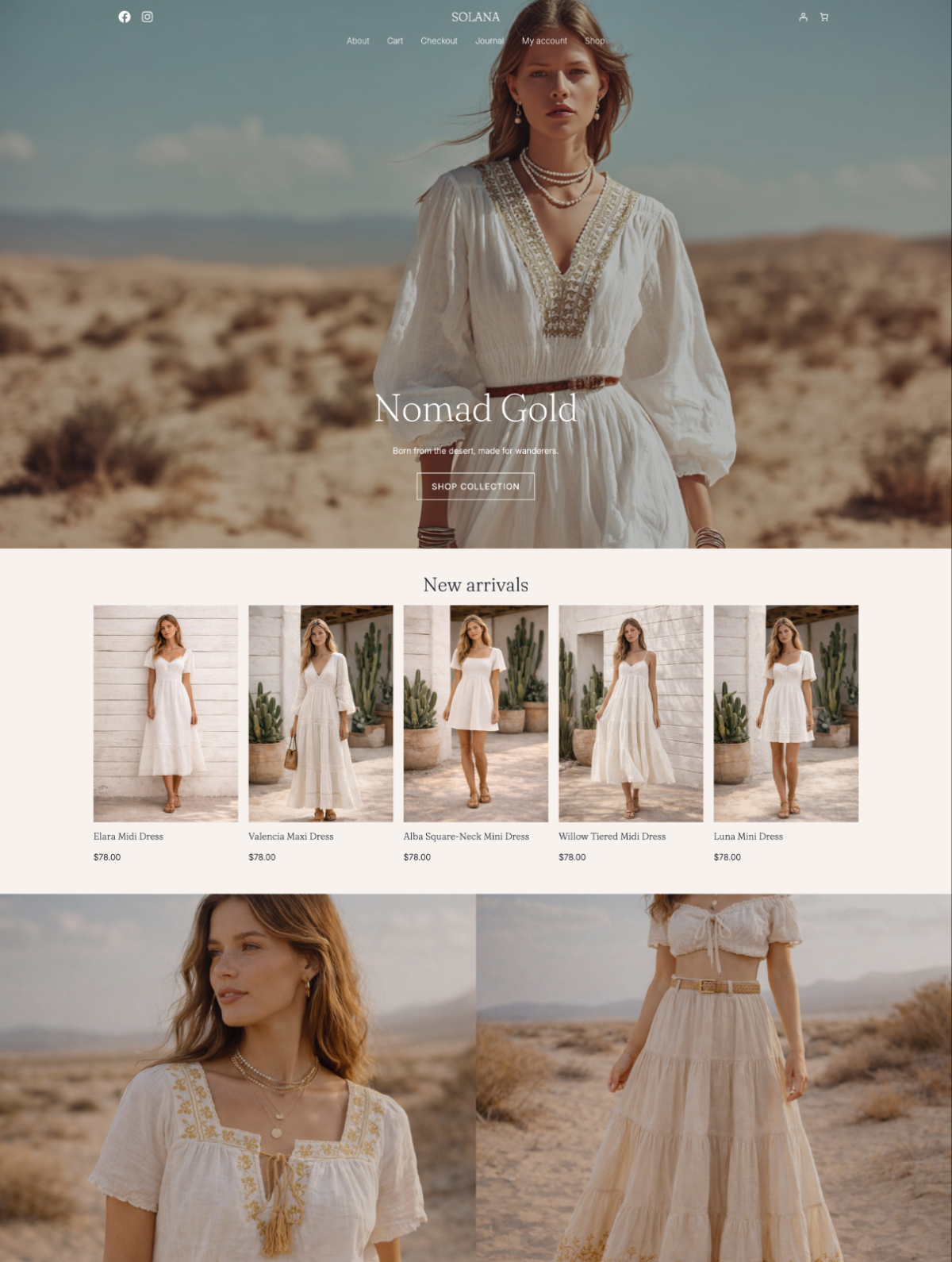
The premium WordPress themes I create at The Theme Nook are designed to give you a beautiful, cohesive site out of the box — one that already feels considered, intentional, and aligned with your brand.
Rather than starting from a blank canvas, my themes are built around complete visual systems. That includes:
- carefully chosen typography and colour palettes,
- layouts and patterns that feel consistent across pages,
- page structures that support your content type, be it blog, business or online store,
- themes built with the default site block editor, so you don’t have to spend extra in site builders.
Beyond the design itself, you’re also paying for experience and support. With over a decade of experience designing WordPress themes, I provide guidance and answer any questions you may have regarding the theme setup.
The goal isn’t to give you endless options or overwhelm you with features. It’s to help you get to a finished, professional-looking site faster, with support when you need it.
I hope this answers your questions! But just in case, here’s a bonus round Q&A style 🙂
Free vs premium themes by website type
Hobby or personal blogs
A free theme is usually more than enough to start. With these kinds of sites starting to publish content regularly is the most important part, so focus on that first!
Business or professional website
For small business sites, consultants, or service providers, design plays a larger role in building credibility and trust. While a free theme can work, it often requires more tweaking to look cohesive and on-brand.
A premium theme can provide a stronger visual foundation from day one, with layouts and styling that feel intentional and professional — without the cost of custom design work. For more tips, check my guide to picking a WordPress theme here.
Blogs planning to monetise
Either free or premium can work here, although premium themes can help by making content easier to navigate and by supporting ads, affiliates, or resources cleanly. Look for blog designs in your specific niche (finance, beauty, education, crafts, etc.) to build brand and authority.
Online store
For ecommerce sites, a premium theme is often worth considering from the start. Online stores rely heavily on visual consistency, clear layouts, and trust signals.
Free themes can support basic ecommerce setups, but premium themes are more likely to offer:
- better-designed product layouts,
- cohesive styling across shop and content pages,
- patterns and templates that support conversion.
This can make a noticeable difference to how professional and trustworthy a store feels.
Frequently asked questions
Can I switch from a free theme to a premium theme later?
Yes. Many site owners start with a free theme and upgrade once they understand their needs better. Just keep in mind that switching themes can affect layout and styling, so some adjustments are usually required.
Will a premium theme improve SEO?
Not directly. A good theme can support performance and clean structure, but content quality, site speed, and overall setup have a much bigger impact on search visibility.
Are premium themes worth it for beginners?
They can be, especially if they reduce confusion and save time. If a premium theme helps you launch faster and feel confident in your design, that alone can justify the cost.
What’s the biggest mistake people make when choosing a theme?
Choosing a theme based on how it looks in a demo, rather than how well it supports their content.
Final thoughts
A free WordPress theme is often enough to get started, especially if you’re testing an idea or learning how the platform works.
A premium theme becomes worthwhile when structure, design polish, and time savings start to matter more. If you’re building an online store or brand-focused site, that shift tends to happen sooner than you think.
The right choice isn’t about price. It’s about choosing the setup that helps you move forward with clarity and confidence.
What to read next
If you’re still deciding, these might help: